

Kylin™ – Intracranial Flow Diverter for Aneurysm Treatment | Optimed | Zylox-Tonbridge

Description
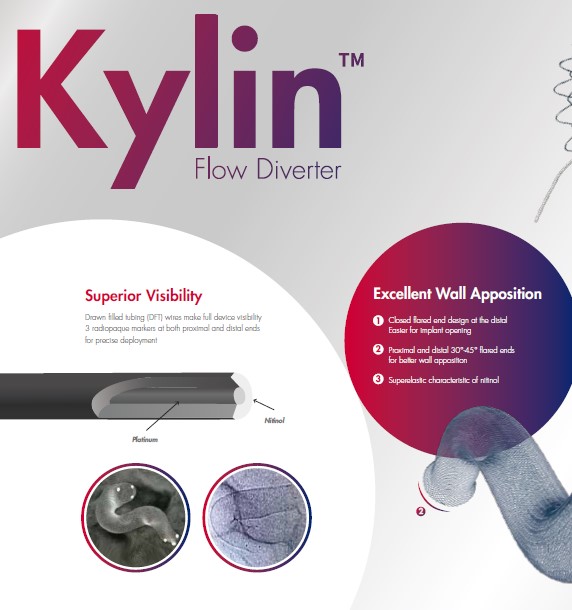
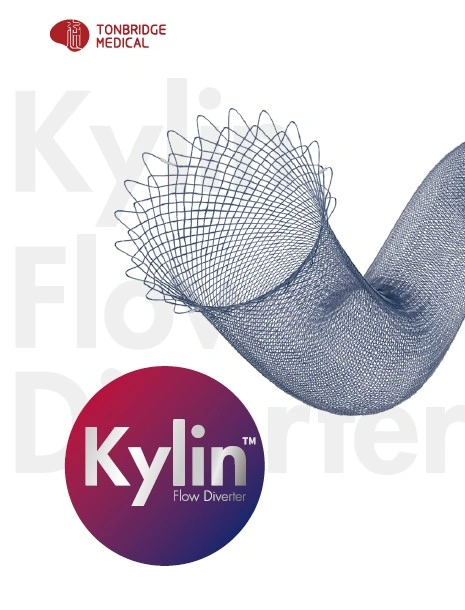
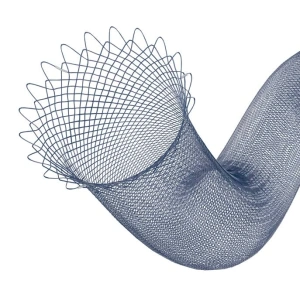
Kylin™ Flow Diverter is an endovascular device designed for the treatment of intracranial aneurysms and intracranial arterial dissections through blood flow diversion and reconstruction of the affected vessel.
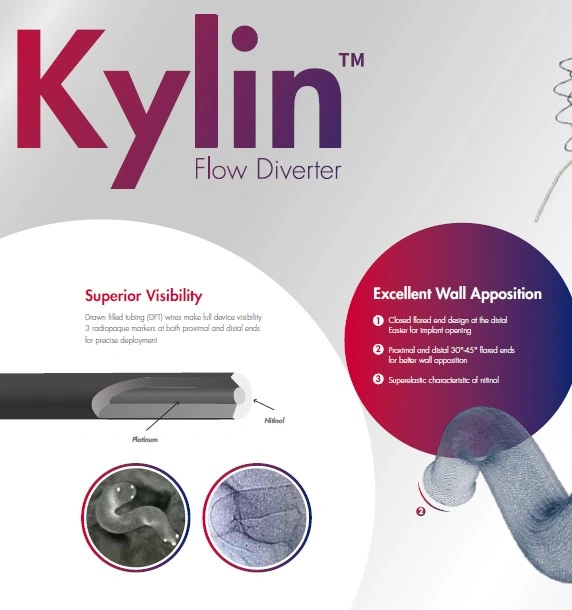
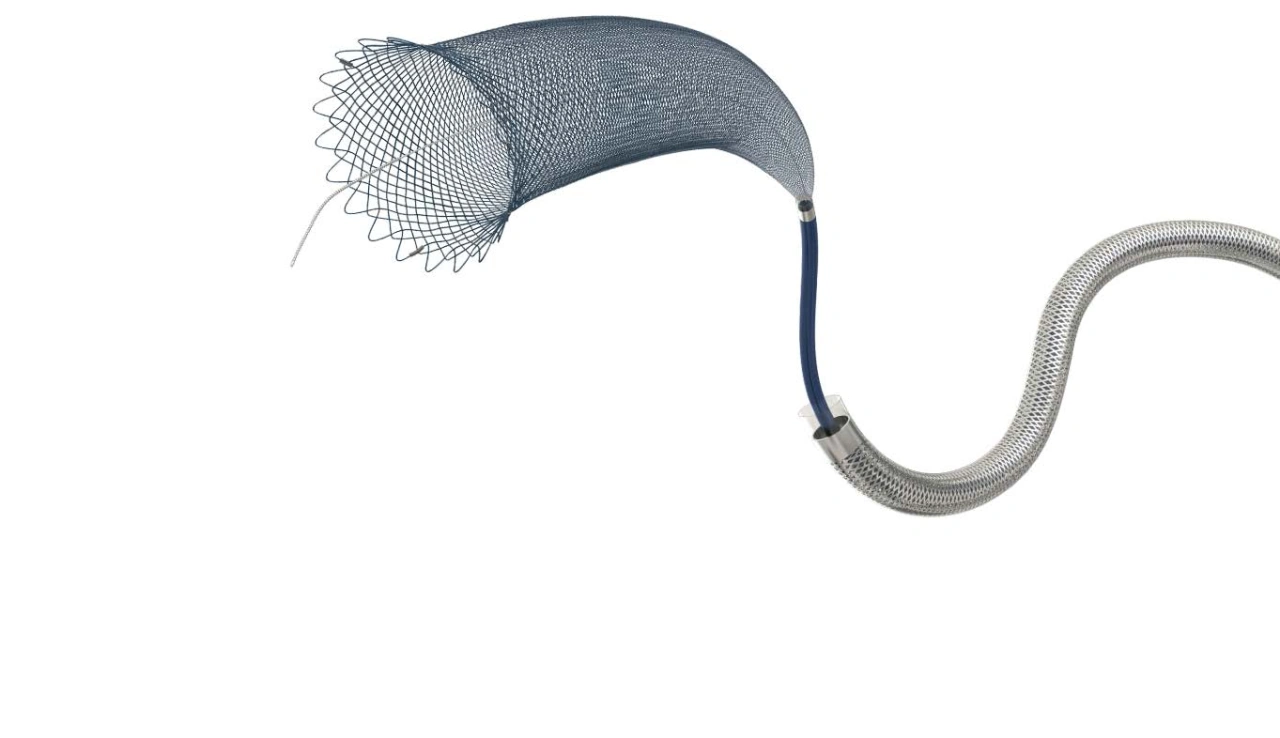
The implant features a braided structure made of nitinol and platinum, designed to provide vascular conformability, fluoroscopic visibility, and controlled deployment.
✅ Key Benefits
-
Blood flow diversion to promote aneurysm occlusion and reconstruction of the parent vessel
-
Average metal coverage of approximately 30%
-
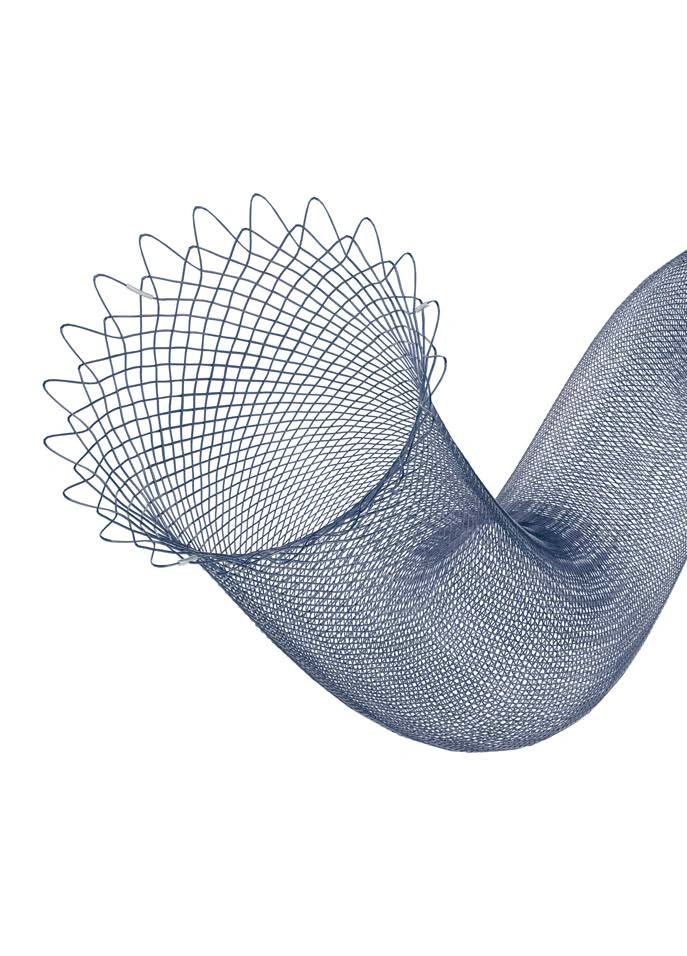
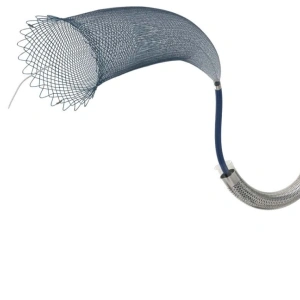
Flexible braided structure designed to conform to intracranial vascular anatomy
-
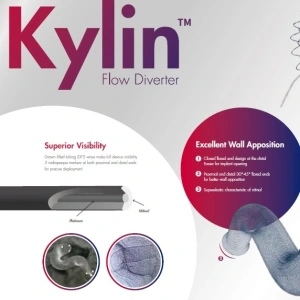
Flared ends designed to improve vessel wall apposition
-
Recapturable up to 80% of device deployment
-
Radiopaque markers for enhanced visibility and positioning control
⚙️ Technical Features
-
Material: Nitinol and platinum
-
Braided structure: 48, 72, or 96 wires, depending on implant diameter
-
Average metal coverage: 30%
-
Proximal and distal flared ends: 30°–45°
-
Closed distal-end design
-
Three radiopaque markers at each end, proximal and distal
-
Drawn Filled Tubing (DFT) wires for enhanced fluoroscopic visibility
-
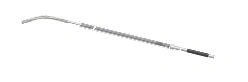
Delivery wire with a 55° pre-shaped tip
-
Recapturable up to 80% of deployment
🩺 Clinical Indications
Kylin™ Flow Diverter is designed for the endovascular treatment of:
-
Intracranial aneurysms – blood flow diversion to promote aneurysm occlusion and parent vessel reconstruction
-
Intracranial arterial dissections – endovascular reconstruction of the affected vascular segment
Patient selection and device use should be determined by the treating specialist in accordance with the approved Instructions for Use (IFU).
📏 Available Sizes
-
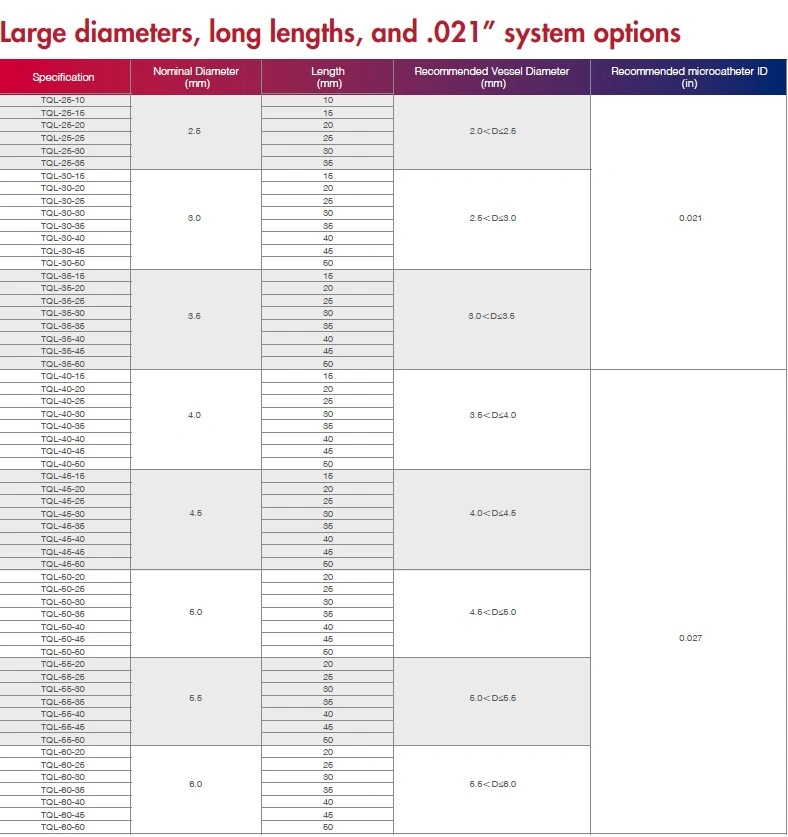
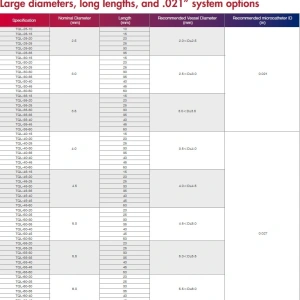
Diameters: Ø 2.5–6.0 mm
-
Lengths: 10–50 mm, depending on diameter
-
Microcatheter compatibility: 0.021″ and 0.027″, depending on device configuration
🔬 Clinical Data
A prospective, multicenter, single-arm clinical study conducted at seven centers in China enrolled 142 patients with intracranial aneurysms smaller than 10 mm.
Reported results included:
-
88.15% – complete aneurysm occlusion rate at 12 months
-
93.33% – successful aneurysm occlusion rate at 12 months
-